

Every scroll, swipe, and click is a battle for attention, and most businesses are losing it.
Static posts get ignored, especially when AI search is there to answer questions before anyone even clicks through. But video? Video stops people in their tracks and keeps them coming back for more.
More businesses are waking up to what video marketing can do for visibility, trust, engagement, and ultimately revenue. If you’re still relying solely on traditional written content to carry your brand, you’re leaving serious growth on the table.
Here’s a look at the biggest benefits of video marketing and why making it central to your strategy could be the smartest move your business makes this year.

Image Source: Magnific
What Is Video Marketing?
Video marketing is the use of video content to promote business offers, educate audiences, or otherwise bring attention to your brand.
Videos can be shared across multiple marketing channels, including:
- Social media platforms (Facebook, X, Pinterest, Instagram)
- Email campaigns
- Websites (landing pages, blogs)
- Online advertisements
- Customer support portals
- Press releases
- Business presentations
Why Is Video Marketing Effective?
Video marketing engages multiple senses. It utilizes both visuals and sound to capture and hold the audience’s attention.
Video content blends imagery, music, and storytelling. This combination evokes emotions from audiences and sticks in their minds long after watching it.
Written content and images, on the other hand, are static. Although impactful in their own ways, they cannot provide the same level of immersion as videos.
Image Source: Magnific
The Top Benefits of Video Marketing for Businesses
Let’s explore the top seven benefits of video marketing for business growth:
1. Video Holds Attention Longer Than Any Other Format
When a business has information to share, video content can present it in a captivating and user-friendly format.
Although written content can provide more detailed information, keeping audiences engaged for extended periods is much harder.
Videos can be up to several minutes long and keep audiences interested the entire time. Plus, by incorporating sound, animations, and captions, businesses can convey all essential information within that time frame.
With your videos, you can inform audiences about your business and offerings, convincing them to take action and engage with your brand.
That’s why many businesses invest in video ads, which are often displayed on social media platforms.
Video ads are designed to quickly capture attention and deliver a concise message, often in seconds. They are more impactful and can lead to higher engagement rates than traditional ads.
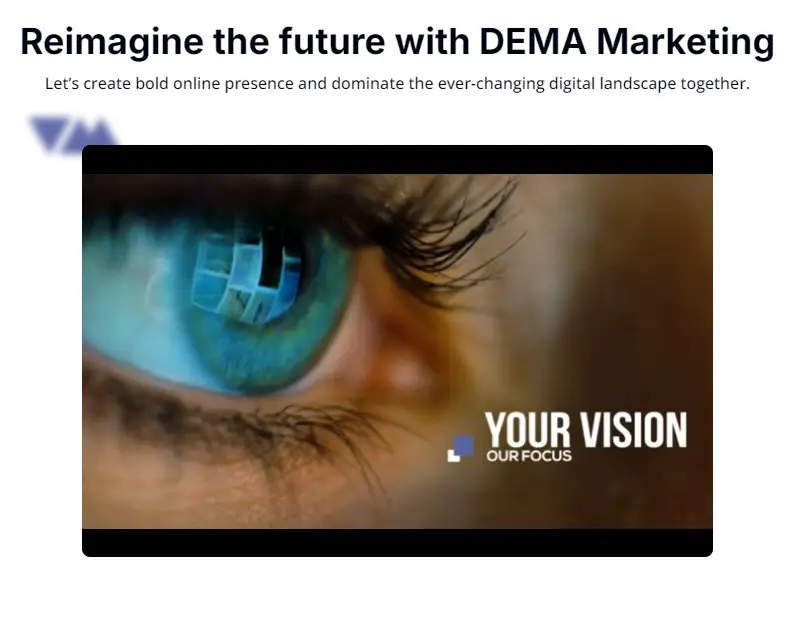
Image Source: DEMA Marketing
2. Video Keeps Visitors on Your Site
When visitors land on your website, your main goal is to encourage them to explore further rather than clicking away.
High bounce rates show visitors are leaving your site without navigating through any other pages. If your website’s bounce rate is higher than 55%, we suggest making changes to retain your visitors.
Video marketing is one way to extend the time visitors spend on your website, increasing the likelihood that they’ll explore other pages.
Here are a few ways to further reduce bounce rates through video marketing:
- Create compelling thumbnails: Make thumbnails eye-catching and relevant. Use bold colors, clear images, and concise text to entice viewers to click on them.
- Make your intro interesting: A surprising fact, a question, or a visually striking scene in your intro can set the tone for the rest of your video.
- Optimize for mobile viewing: Ensure your videos are mobile-friendly, as many of your viewers will watch on mobile devices. A responsive design and clear visuals will help retain viewers.
- Include calls to action (CTAs): Clear CTAs guide viewers on what to do next, such as creating an account, signing up for emails, reading your blog, or exploring other pages on your website.
With these tips, you can convince visitors to explore other areas of your website rather than just clicking away once they’ve finished watching the video.
3. Video Can Complement Other Marketing Strategies
You can support other existing marketing strategies by slowly incorporating videos.
Search Engine Optimization (SEO)
By encouraging visitors to spend more time on your website, you can use video marketing to boost your SEO efforts.
Search engines consider user behaviors when ranking websites, so videos that hook audiences can help you increase your position on search engine results pages (SERPs).
Video marketing can also help you get more backlinks since high-quality, engaging videos are often shared by other websites. These backlinks from your video content will increase your site’s authority, leading to higher rankings.
Social Media Marketing
In the last decade, social media has shifted from primarily static, written content to mostly short-form video content.
In our guide to short-form content, you can find out more about the pros, cons, and use cases of posting short videos on social media accounts.
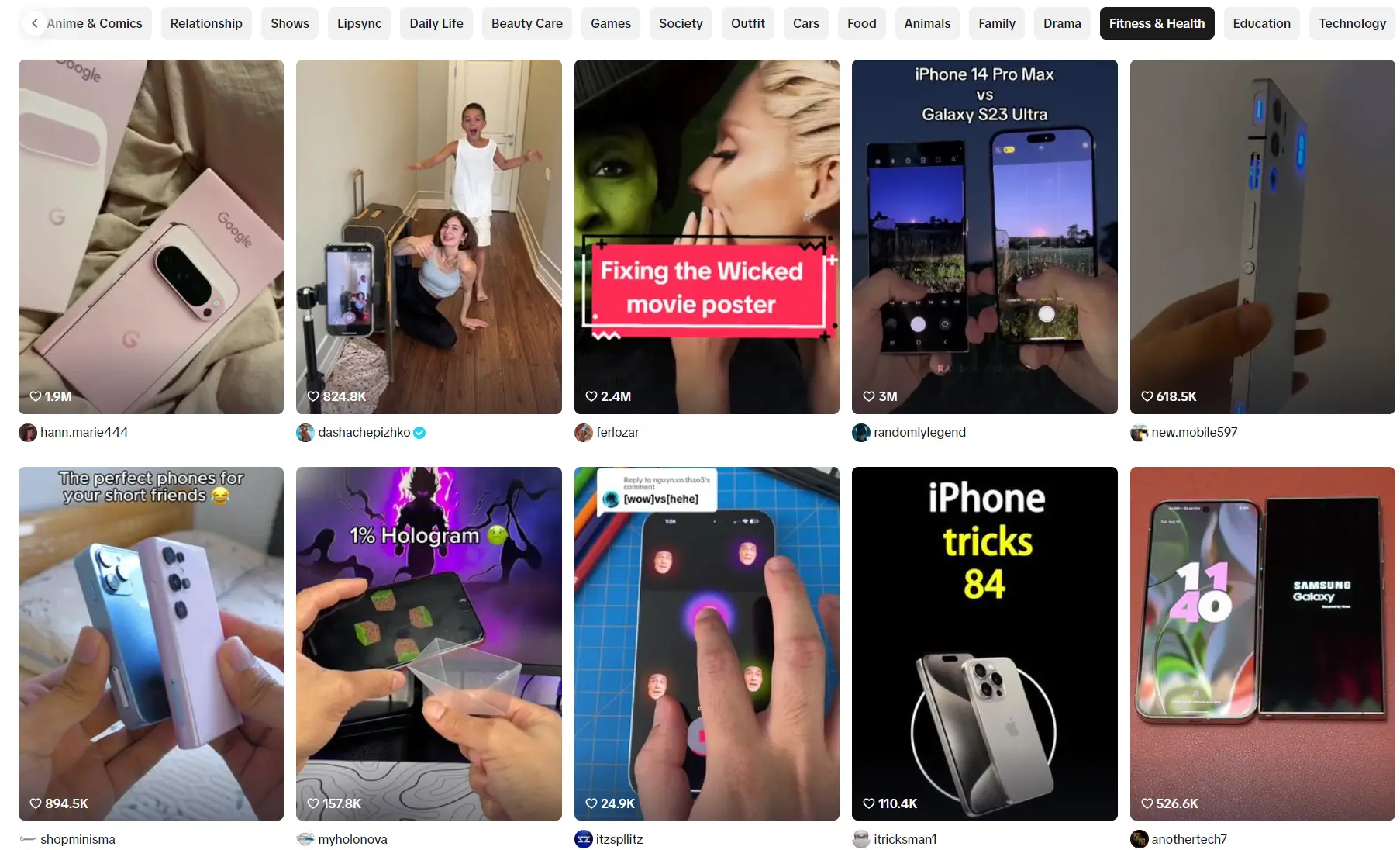
Image Source: TikTok
Content Marketing
Include explainer videos or animations in blogs to provide extra information about the topic that you’re covering.
Doing so lets you summarize key points and utilize visual aids to make complex concepts easier to understand.
If visitors want to learn more about a topic but aren’t interested in reading any lengthy text, they can watch the accompanying video instead.
You’ll be appealing to a broader audience by catering to different learning and engagement preferences.
Influencer Marketing
Influencer marketing is when businesses partner with individuals with a strong social media presence. These individuals can market the business’s products or services in return for compensation or other benefits.
Once you’ve selected influencers who align with your brand’s message and target audience, collaborate on video content where they showcase or endorse your products.
Popular formats include:
- Unboxing videos
- Day-in-the-life vlogs
- Live streams with giveaways
- Tutorials
Email Marketing
Including videos throughout email marketing campaigns can increase click-through rates.
Videos improve how well audiences retain information. Customers will more likely recall your brand and its offerings when they are ready to make a purchase.
You can also include video messages from team members or founders to create a more personal touch in your emails.
Your emails become memorable, leading to more recipients opening them and taking action to continue engaging with your brand.
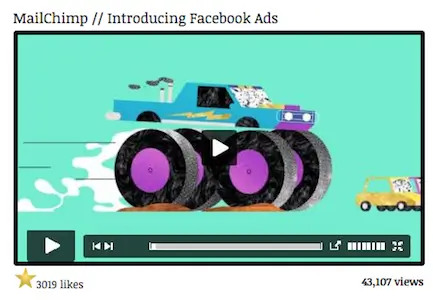
Image Source: Mailchimp
4. Video Builds Brand Recognition
Video marketing is a fantastic way to reinforce your brand’s identity, making your business look credible and recognizable.
Every business should have a clear identity made up of several branding elements, such as:
- Color palettes
- Typography
- Tone
- Voice
Videos create plenty of opportunities to incorporate your branding elements.
From the colors you use in animations and the fonts for text to including your logo and maintaining a consistent tone in your scripts, every aspect of your videos can contribute to a cohesive brand experience.
Doing so creates a personality that audiences will remember and connect with.
Key Use Case of Video Marketing to Support Brand Recognition
A prime example of videos supporting a brand’s identity is Apple’s product demonstrations.
Apple uses sleek, minimalist videos during keynote events to showcase new products and reinforce its premium, high-quality image.

Image Source: YouTube
5. Video Opens Your Content Up to Audiences Written Content Can’t Reach
Adding videos to your marketing strategy makes your content more engaging and accessible to a wider audience, including those who may struggle with text-based content due to disabilities or impairments.
However, simply using videos doesn’t guarantee accessibility for everyone.
Follow these tips to help more people enjoy your content:
- Add captions to help audiences with hearing impairments understand the content of your video. Include closed captions to help viewers follow along, even if they can’t hear the audio.
- Avoid placing any text at the bottom of the video, where closed captions will likely be displayed.
- Remove autoplay to prevent distracting the audience with unexpected sounds or movements.
- Include high-quality audio and reduce background music to cater to users with hearing or cognitive difficulties.
- Avoid bright flashes and rapid changes in visuals to protect audiences at risk of epileptic seizures.
- Consider audiences who suffer from color blindness by selecting bold and high-contrast color combinations.
6. Video Rapidly Spreads Your Brand’s Message
Short-form video content is more shareable than traditional content, letting businesses increase their visibility through social media posts.
When audiences find a video engaging or informative, they are more likely to share it with others. This organic sharing helps spread your brand’s message much further than your initial audience and across different demographics and regions.
User-Generated Content (UGC)
Harnessing UGC through video marketing helps you spread your message and reach new audiences. Many brands have used UGC to encourage audiences to share their experiences with their products or services, promoting customer engagement and creating an active community.
Why? Well, potential customers tend to trust content from other consumers more than traditional advertising.
If your product is being tried out or used by a member of the public, and they share that video with their followers, you’re benefiting from authentic word-of-mouth promotion.
Such content also carries more credibility because it’s perceived as a genuine, unbiased review, making it more likely to influence purchasing decisions.
Here are some tips for using UGC as part of your business’s video marketing efforts:
- Share templates that audiences can edit, such as pre-designed filters or story formats, rather than making them create videos from scratch.
- Create social media hashtags that audiences can use when participating in your UGC campaigns to increase your reach.
- Showcase high-quality UGC on your social media channels or website to acknowledge audience efforts and encourage more involvement.
7. Real Faces and Voices in Videos Turn a Brand Into Something People Trust
As a business, humanizing your brand will make it more relatable and trustworthy. You create a personal connection that resonates emotionally with viewers by showing real people, such as your employees, satisfied customers, or even yourself.
Even including voices in videos can help your brand seem more genuine and compel audiences to interact with it. Rather than sticking solely to written text, using video can bring a personal touch.
Many studies show that the use of human voices in social media can help organizations build relationships by prompting trust and communication between businesses and the public.
You can build this in by making video content that features real voices and faces. You’ll provide a more human experience that encourages meaningful interactions and authentic emotional connections.
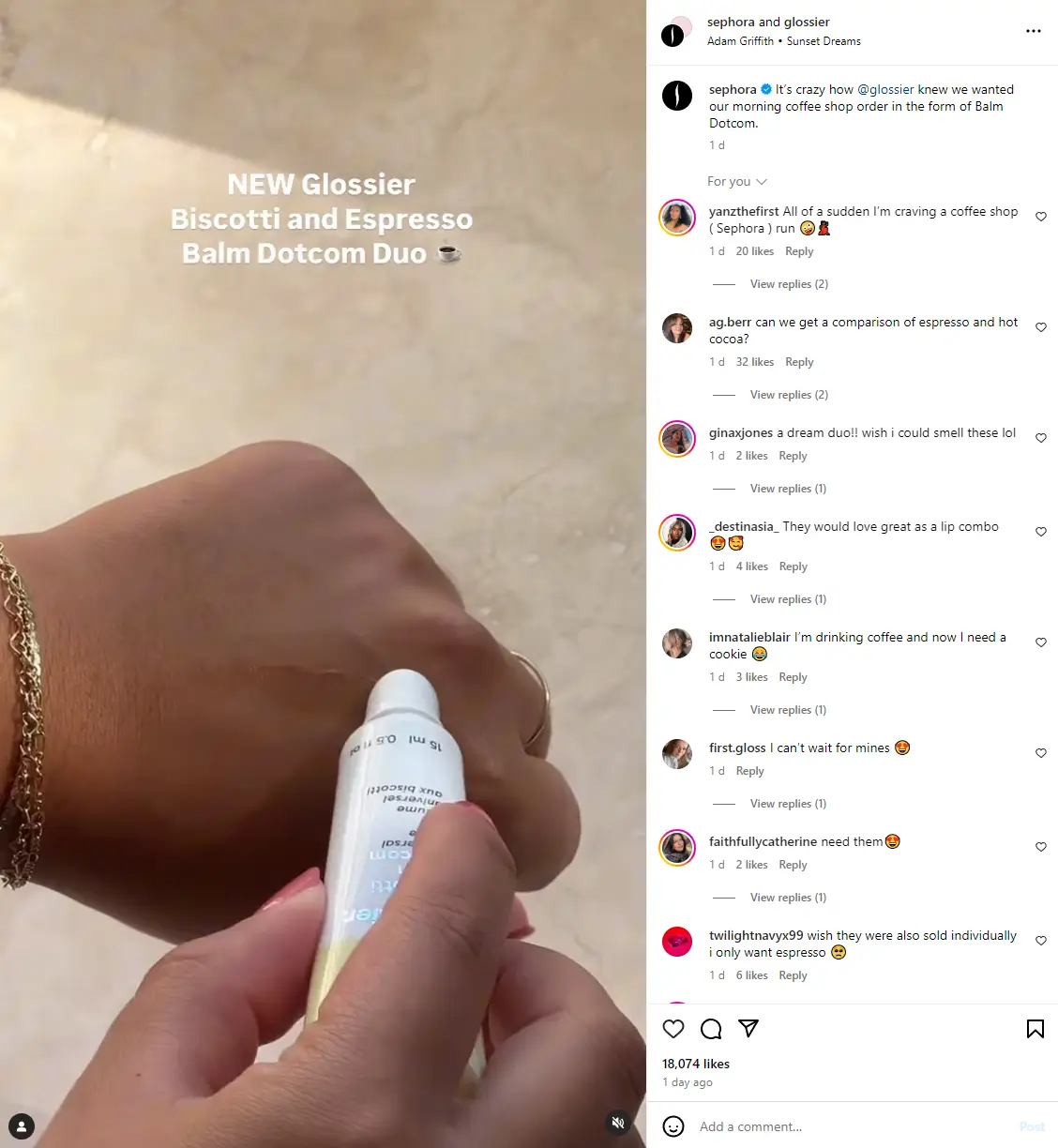
Image Source: Instagram
Types of Videos for Marketing
Video marketing offers plenty of ways to attract, engage, and inform audiences.
Here are the top types of marketing videos you can create for your business:
- Product demos: Showcases the features and functionality of a product.
- Tutorials: Step-by-step guides on how to use a product or service.
- Explainers: Simple videos that break down complex concepts or products to inform potential customers.
- Stories: Vertical videos posted on social media platforms like Facebook and Instagram, then disappearing after 24 hours.
- Teasers: Short videos designed to build anticipation for a product launch, event, or upcoming content.
- Live Streams: Real-time broadcasts that engage audiences directly, often for events, Q&A sessions, or behind-the-scenes content.
- Interviews: Talks with experts or industry influencers that provide valuable insights relevant to the business.
- Testimonials: Videos featuring customers sharing their positive experiences with a product or service.
- Event recaps: Highlights of events, capturing key moments to share with those who couldn’t attend or to promote future events.
- User-generated content (UGC): Videos created by customers or fans that show them using the business’s products or services for real-world situations.
- FAQs: Videos that address common customer questions and provide helpful answers to reduce the need for a support team.
- Virtual tours: 360-degree or walkthrough videos that give viewers an immersive experience of a location like the business’s HQ.
Focus On Video Marketing to Give Your Business a Competitive Edge
The businesses winning attention online aren’t doing it with longer blog posts or prettier graphics. They’re doing it with video.
The longer you wait, the more ground your competitors gain, and that’s where we come in. At DEMA Marketing, we provide video marketing services that are built to help you reach and engage your target audience with captivating video content.
With our help, you can build a recognizable brand, earn your audience’s trust, and turn casual viewers into loyal customers.
Get in touch with our team today, and together, we can create something worth watching.