
A note before you begin reading “Creative Ways of Beating Severe Burnout”: If the burnout comes with suicidal thoughts, severe hopelessness, substance misuse, panic, or an inability to manage basic daily tasks, creative recovery should not replace professional support. In those cases, speak to a doctor, therapist, crisis line, or trusted person as soon as possible.
Beating severe burnout is not easy. According to Cambridge Dictionary, burnout is “extreme tiredness or mental or physical illness caused by working too hard or trying to do too much.” (BURNOUT | English Meaning – Cambridge Dictionary, 2026) It can make even the simplest daily tasks feel heavy and draining, leaving you feeling disconnected from yourself and the world. That is why recovery should not only be about resting more, but also about finding new ways to restore your love for what you do, your energy for the things you love to do, your creativity that fuels that energy, and the emotional balance that grounds you in relation to others. From changing your routine to reconnecting with hobbies, nature, and meaningful breaks, there are many creative ways of beating burnout that can help you feel more like yourself again.
What Does Burnout Really Look Like?

Image Source: Magnific
It is not always obvious at first. For example, it can begin as tiredness, a lack of motivation, or the feeling that you are just having a difficult week. Over time, however, it can develop into deep physical, emotional, and mental exhaustion that affects how you work, think, and live.
This state of exhaustion can look like waking up tired even after a full night’s sleep. It can feel like staring at your to-do list, not knowing where to begin. It can also look like avoiding tasks you once handled easily or feeling irritated by things that normally wouldn’t bother you. You may also notice that activities you used to enjoy no longer feel exciting, and instead of feeling inspired, you feel empty, overwhelmed, or disconnected.
Types of Signs of Burnout
Here is a table, presenting the categories, descriptions, and signs:
| Category | Description | Signs |
| ✅Chronic fatigue: A deep, lasting exhaustion that does not go away, even after a full night of sleep. ✅Sleep issues: Difficulty falling asleep, staying asleep, or feeling “tired but wired”. ✅Frequent ailments: A weakened immune system that may make you more likely to experience colds, headaches, or general body aches. ✅Digestive problems: Nausea, abdominal pain, or changes in bowel habits. |
||
| ✅Loss of motivation: Feeling dread, disinterest, or a lack of energy. ✅Cynicism and negativity: Becoming more critical, detached, or pessimistic. ✅Sense of failure: Ongoing self-doubt, helplessness, or the feeling that you are stuck. ✅Irritability: Feeling easily frustrated, reacting more sharply than usual. |
||
| ✅Withdrawal: Pulling away from friends or family, avoiding social contact, or skipping events you used to enjoy. ✅Procrastination: Taking longer than usual to complete everyday tasks. ✅Reduced performance: Noticing a decline in your productivity, focus, or ability to manage work, home, or caregiving responsibilities. ✅Unhealthy coping habits: Turning to food, alcohol, drugs, or other harmful behaviors to numb emotions or manage stress. |
||
| ✅Brain fog: Difficulty concentrating, staying organized, or making even simple decisions. ✅Memory issues: Becoming more forgetful than usual, such as missing details, appointments, or important tasks. ✅Negative thinking: Expecting the worst, focusing on what went wrong, or struggling to recognize your progress and achievements. |
The Progression of Exhaustion
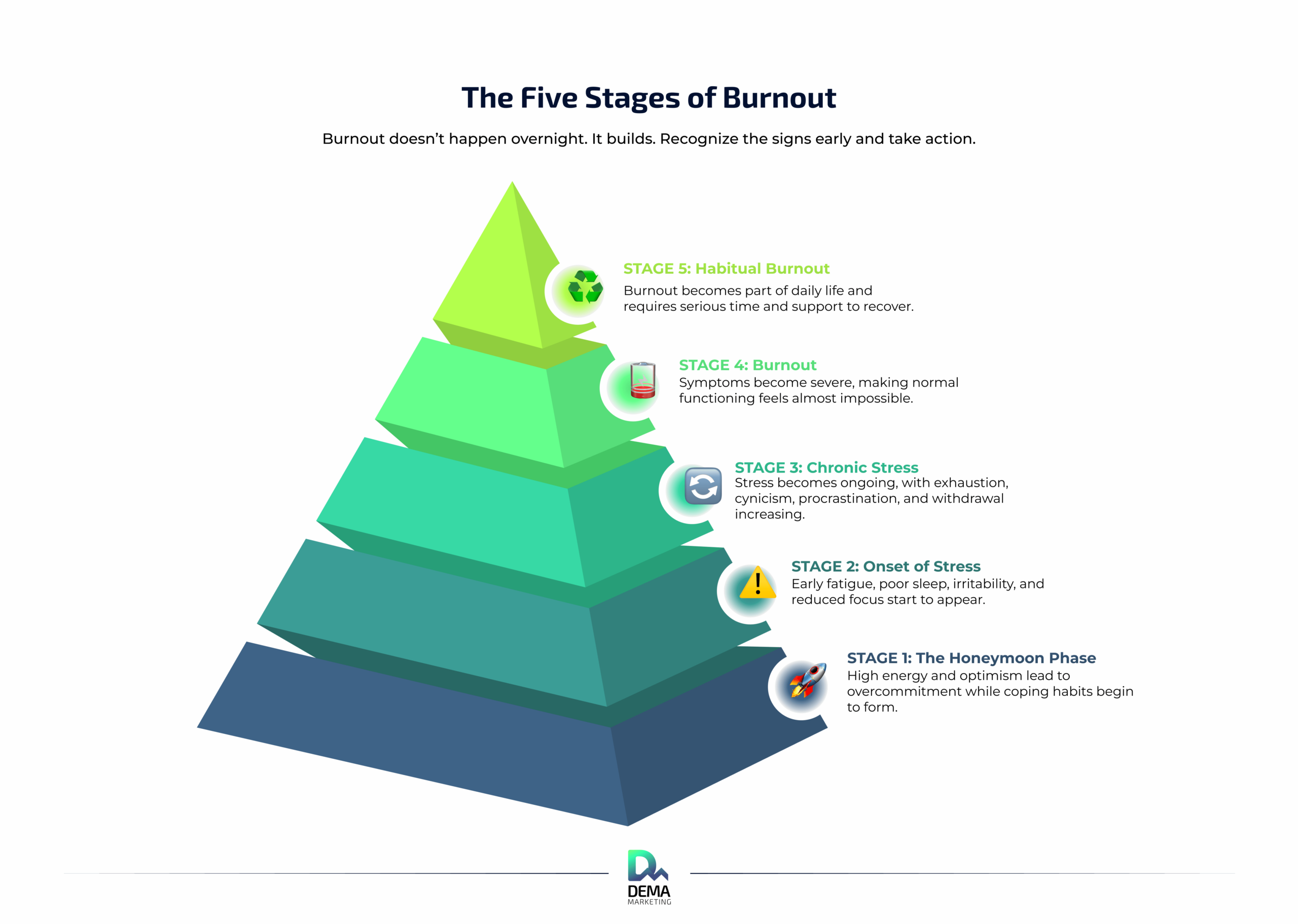
Psychologist Herbert Freudenberger and his collaborator Gail North originally developed a 12-phase burnout model. According to Psychology Today, today there can be defined five primary stages (Hanley, 2024):
- The Honeymoon Phase: The beginning, often marked by high energy, optimism, and enthusiasm — typically at a new job or project. You take on a lot of responsibility and may start ignoring early warning signs because the excitement carries you away. Crucially, this is where coping habits (good or bad) get set.
- Onset of Stress: The optimism starts to fade. You notice that some days are harder than others. Early symptoms creep in — occasional fatigue, trouble sleeping, reduced focus, irritability, or a vague sense of unease — though you can still function normally.
- Chronic Stress: The stress becomes persistent rather than occasional. Symptoms intensify and grow more frequent: ongoing exhaustion, procrastination, cynicism, missed deadlines, withdrawal from social activities, and possibly physical complaints. This is where the shift from “stressed” to “heading toward burnout” really happens.
- Burnout: The critical stage. Symptoms become severe and unavoidable — you can no longer push through. This may include emotional numbness, deep pessimism, self-doubt, neglect of personal needs, physical symptoms (headaches, stomach issues), and a strong urge to withdraw entirely. Functioning normally feels impossible.
- Habitual Burnout: The most serious stage, where it becomes embedded in your life rather than an acute episode. Chronic physical and emotional symptoms become the norm, and it can blur into or trigger conditions like depression and anxiety. Recovery at this point usually requires significant intervention and time.
Internal & External Experience
Burnout consists of a hidden, internal experience of deep exhaustion and emotional detachment alongside a visible, external manifestation in behavior, work, and relationships. Therefore, recognizing the condition requires reconciling the often-delayed, outward signs with the private, internal struggle to bridge the gap between appearing fine and feeling functional.
You can read the full analysis of the two sides of it here:
| Types of Signs | Internal Experience | External Experience |
| Physical Signs | Fatigue, “tired but wired,” aches, digestive upset | Looking drained, getting sick often, visible tension |
| Emotional Signs | Dread, numbness, self-doubt, sense of failure | Irritability, snapping at people, visible cynicism |
| Behavioral Signs | Brain fog, forgetfulness, negative inner monologue | Missed details, disorganization, poor decisions |
| Mental Signs | The urge to withdraw or avoid | Actual withdrawal, procrastination, reduced performance, coping habits |
Why Do Creative Ways of Beating Severe Burnout Matter?

Image Source: Magnific
While passive rest is essential, it rarely cures severe burnout, which stems from a deep disconnection from one’s own motivation, competence, and sense of purpose. In contrast, creative activity addresses this by shifting the mind from extrinsic, draining demands to intrinsic, self-replenishing motivation. This shift often induces a state of “flow,” providing a more restorative experience than traditional rest.
Finally, engaging in creative ways of beating severe burnout restores a sense of agency and accomplishment, acting as an antidote, and a cure. By focusing on low-stakes, tangible projects, individuals can rebuild a sense of competence on their own terms. Ultimately, the road to recovery from burnout often runs through active, creative making rather than just passive rest.
Start your first small, low-stakes creative project today to begin rebuilding your sense of accomplishment and agency.
Reclaiming Play and Novelty
Severe burnout robs the brain of its natural capacity for joy, leaving it stuck in a survival loop of monotony and dread. Traditional recovery often focuses on passive rest, like sleeping or watching television, but these activities rarely restore emotional vitality. To truly revive a drained spirit, you must actively inject play and novelty back into your life. Play can interrupt the stress cycle and also make small actions feel more rewarding again.
By engaging in low-stakes, curious exploration, you remind your brain that the world is a place of wonder rather than a checklist of demands.

Image Source: Magnific
The “Artist Date” as A Creative Way of Beating Severe Burnout
Julia Cameron’s Artist Date is one of the two foundational practices in The Artist’s Way, paired with Morning Pages. In Cameron’s own formulation, it is a “preplanned, recurring, solo block of time, often described as roughly two hours each week, set aside to nourish the “inner artist” through pleasure, curiosity, sensory experience, and attention rather than productivity or professional advancement” (Cameron, 2002, 36p.-37p.). The golden rule is absolute isolation: no partners, no children, and no friends are allowed to tag along. This is not a time for networking, running errands, or self-improvement, but rather a playful expedition for one.
To implement this practice, consider these highly engaging excursions: Visit a museum alone, go to a gallery and look slowly, browse a secondhand bookshop, visit a flower shop or garden center, go to a flea market or antique shop, take yourself to the cinema, walk through a beautiful old library, visit a church, cathedral, or historic building, go to an aquarium, botanical garden, or conservatory, sit in a café and people-watch without your phone.
Gamifying Everyday Tasks
When you are deeply burned out, even basic daily responsibilities feel like climbing a mountain. Gamification can make difficult tasks feel less intimidating by adding structure, progress, and small rewards. By shifting your mindset from “obligation” to “play,” you lower the psychological barrier to entry for difficult tasks.
Try these simple tactics to gamify your day: Turn tasks into quests, use points, create levels, use streaks, set timer challenges, create “boss battles”, use rewards carefully, use mystery rewards, build combo chains, make a “daily achievement list”, use visual progress bars, add random challenges, create themed days, use penalties lightly, make boring tasks sensory, try the “three lives” rule, make a personal scoreboard, create badges.
Tactile and Sensory Play
Burnout lives heavily in the mind, often causing people to feel completely disconnected from their physical bodies. Tactile play forces your brain to step away from abstract worries and anchor itself firmly in the physical world. Engaging your sense of touch sends immediate, calming feedback to your nervous system.
You can stimulate your senses using these highly moldable, mess-free mediums: Play with air-dry clay; make shapes with modelling clay or plasticine; use Play-Doh and create random objects; collect leaves, petals, stones, bark, or shells; sort natural objects by texture, size, or colour; make a small nature mandala on the ground; soak your hands in warm water with herbs or citrus slices; float flowers, leaves, or paper boats in a bowl; play with ice cubes and notice them melting; smell herbs like rosemary, mint, basil, or lavender; create a small scent tray with spices, tea, coffee, citrus, and flowers; visit a flower shop and notice which scents you like.
Curiosity-Led Micro-Learning
When your professional life demands rigid expertise, your mind shrinks under the pressure of constant performance. Curiosity-led micro-learning provides a safe haven where you can be a complete amateur without any fear of failure or judgment. Spending just 10 minutes a day researching a completely useless, bizarre topic breathes fresh air into a stagnant intellect.
Dive into fascinating, non-work rabbit holes like these: Research the strange history of medieval castle design, the evolution of Victorian slang, or the engineering secrets of ancient Roman aqueducts; Spend a week learning about deep-sea bioluminescence, the complex underground communication of fungal networks, or the bizarre survival traits of tardigrades; Discover how neon signs are bent by hand, how ancient pigments were harvested from beetles, or how master cobblers construct traditional shoes.
Boundary Setting and Environmental Cues
Creative recovery usually fails when it is layered on top of unchanged overload. The World Health Organization emphasizes that mental health at work is not only an individual responsibility; organizational conditions, manager support, worker training, and return-to-work planning matter. For the individual, though, boundary setting becomes more workable when externalized in the environment rather than left as a purely motivational task. In practice, that means turning intentions into visible cues: calendar blocks, a “shutdown ritual,” a written stopping script at the end of the day, preset break reminders, visual friction for work apps after hours, and sensory or spatial signals that tell the body “this mode has ended.”
For a broader workplace-focused perspective, the Business Talks guide on preventing burnout explains why sustainable growth depends on clear boundaries, high-impact priorities, and planned recovery. (Todorova, n.d.). A simple way to design boundaries is to work across three layers. Cue design changes what you see and hear: alarms for micro-breaks, colors for recovery blocks, headphones only during deep work, a lamp that turns on for admin and off at shutdown. Habit architecture changes what is easy or hard: log out of work accounts on your phone, put art supplies in sight, place a notebook next to the kettle, keep stretching bands where you doom-scroll. Social contracts change what other people expect: one prepared sentence for declining extra work, one script for delayed responses, one shared plan with colleagues or family for protected recovery time.
Checklist of Creative Activities of Beating Severe Burnout
Use this as a flexible recovery map, not a strict checklist:
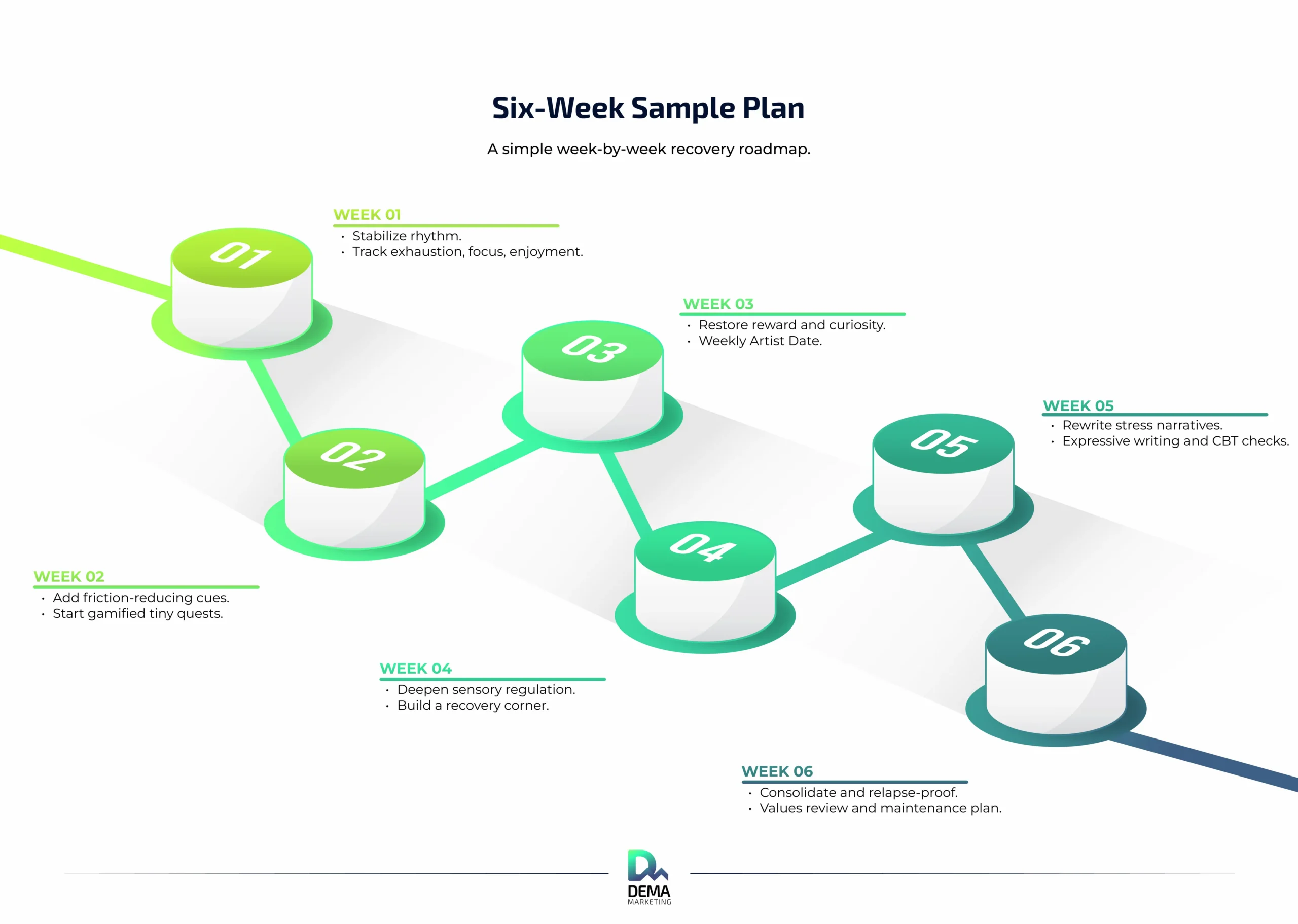
| Week | Main focus | Daily practices | Weekly practices | Measurable goals |
| Week 1 | Stabilize and measure | Fixed wake time; 2 sensory resets; 5-minute end-of-day log | One 20-minute Artist Date; one workload audit | Record exhaustion, focus, and enjoyment on a 0–10 scale on at least 5 days |
| Week 2 | Reduce friction | One 10-minute admin sprint; one tiny quest system; one protected meal break | Write 2 boundary scripts; remove 1 after-hours work cue | Complete at least 5 tiny quests; one fewer after-hours work check than baseline |
| Week 3 | Reintroduce reward | One pleasurable action plus one mastery action daily | One 30–45 minute Artist Date; one social reconnection | Increase average enjoyment score by 1 point from week 1 baseline |
| Week 4 | Rebuild embodiment | 10 minutes of tactile or sensory play; one device-light transition before bed | Create a recovery corner or sensory kit | Use the sensory practice on at least 4 days; reduce “wired but tired” evenings |
| Week 5 | Repair the story | 15 minutes of expressive writing on 3 days; one CBT thought check on hard days | Name burnout’s “voice” and write a response from values | Identify 3 recurring thoughts and generate 3 alternative statements |
| Week 6 | Consolidate and relapse-proof | Continue best two daily practices; maintain shutdown cue | One values review; one relapse plan; one conversation about workload changes | Reduce exhaustion by 2 points or improve function on one concrete metric |
The strongest way to measure progress is not only by mood but by function: fewer errors, more reliable stopping time, greater recovery after work, better sleep regularity, more social contact, and more voluntary interest.
This timeline is a simple visualization of the sample plan.
Rewriting Your Narrative
Rewriting your narrative does not mean pretending everything is fine. It means separating your identity from the state you are in. Externalizing the struggle can reduce self-blame and make it easier to respond with curiosity instead of shame.
You can start by writing down the story burnout has been telling you. Then, challenge it.
Ask yourself:

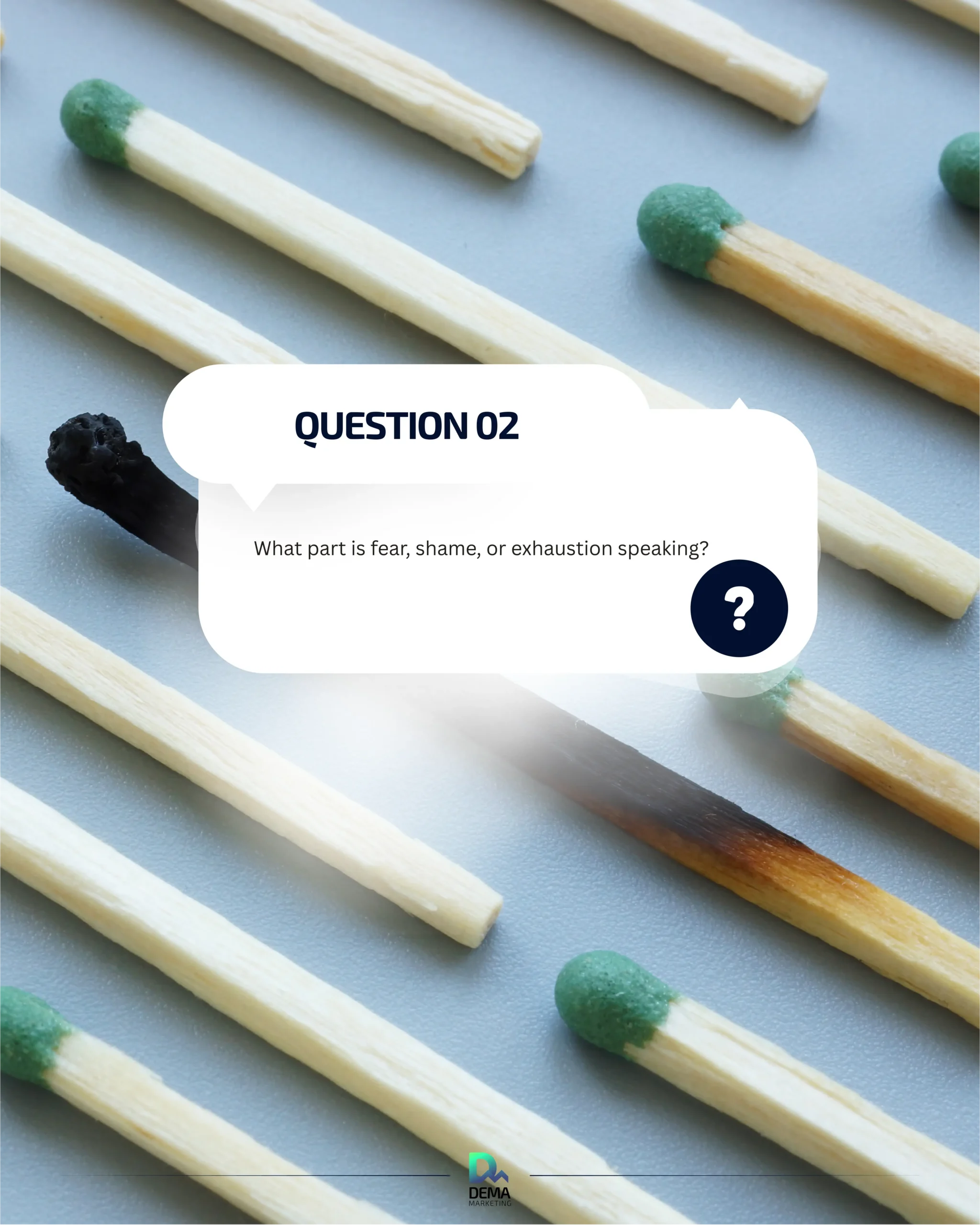
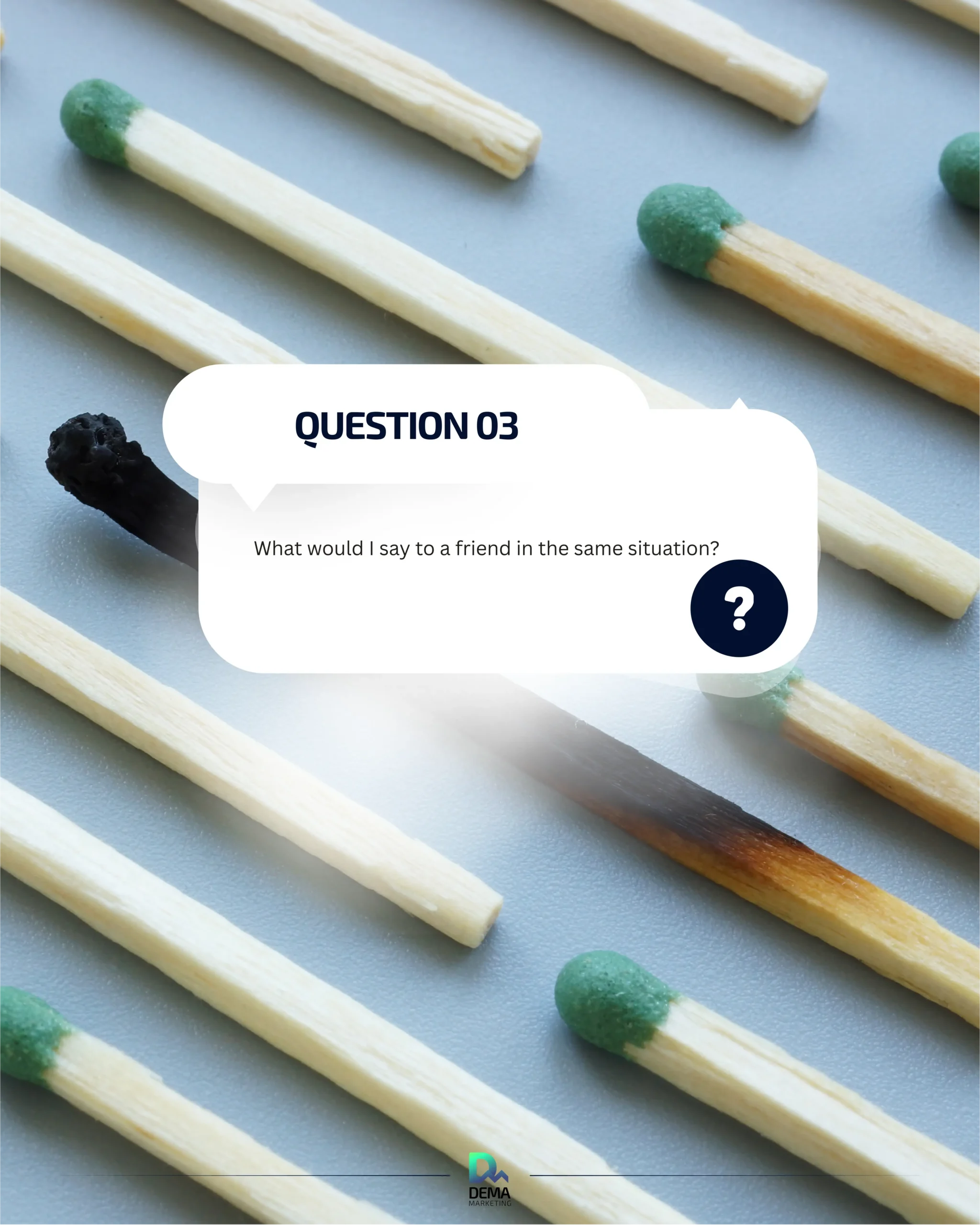
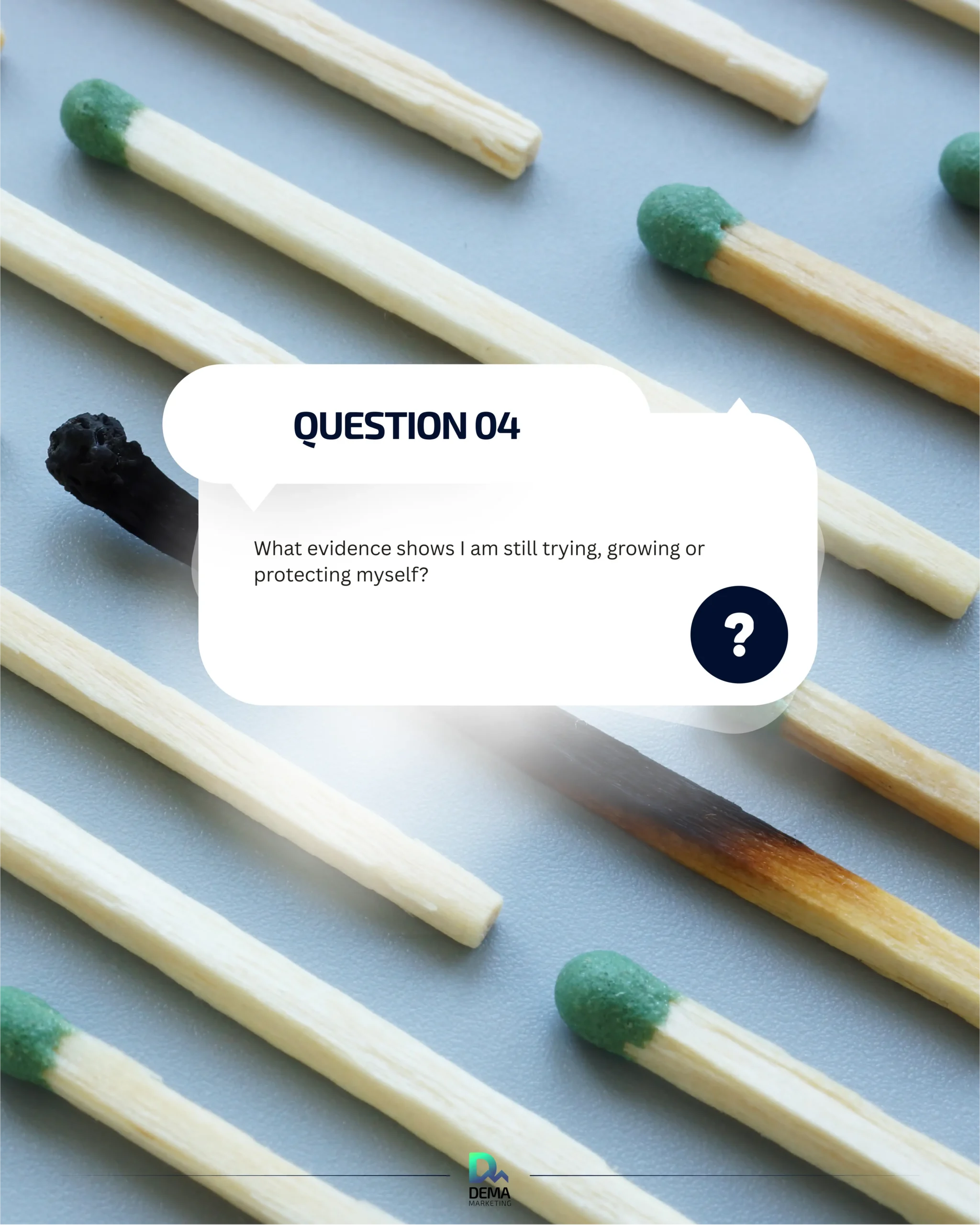
Self-compassion is especially important here. Research on burnout suggests that it can help protect emotional wellbeing, especially in demanding roles where people often feel pressure to keep giving.
A healthier recovery story might sound like this:
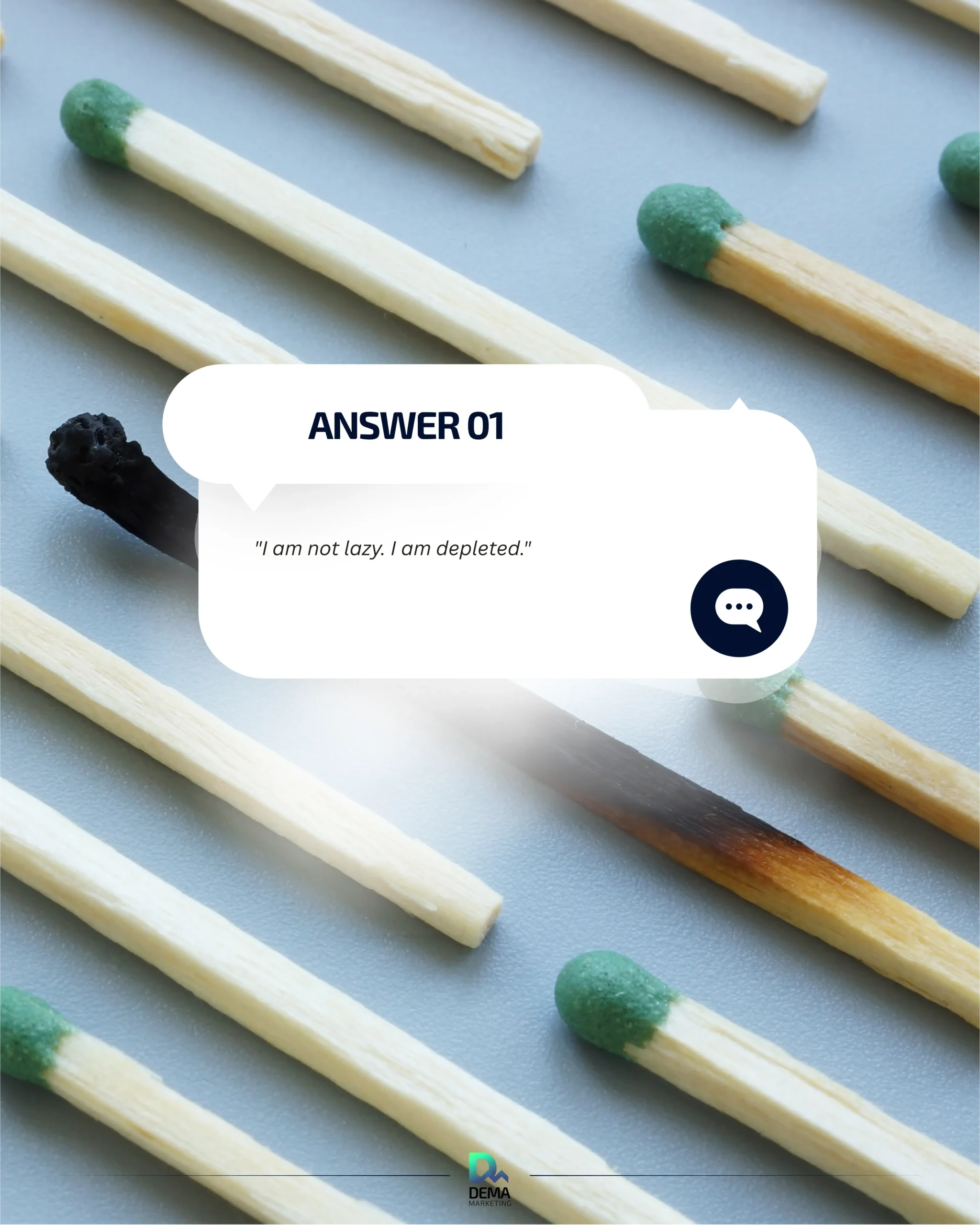
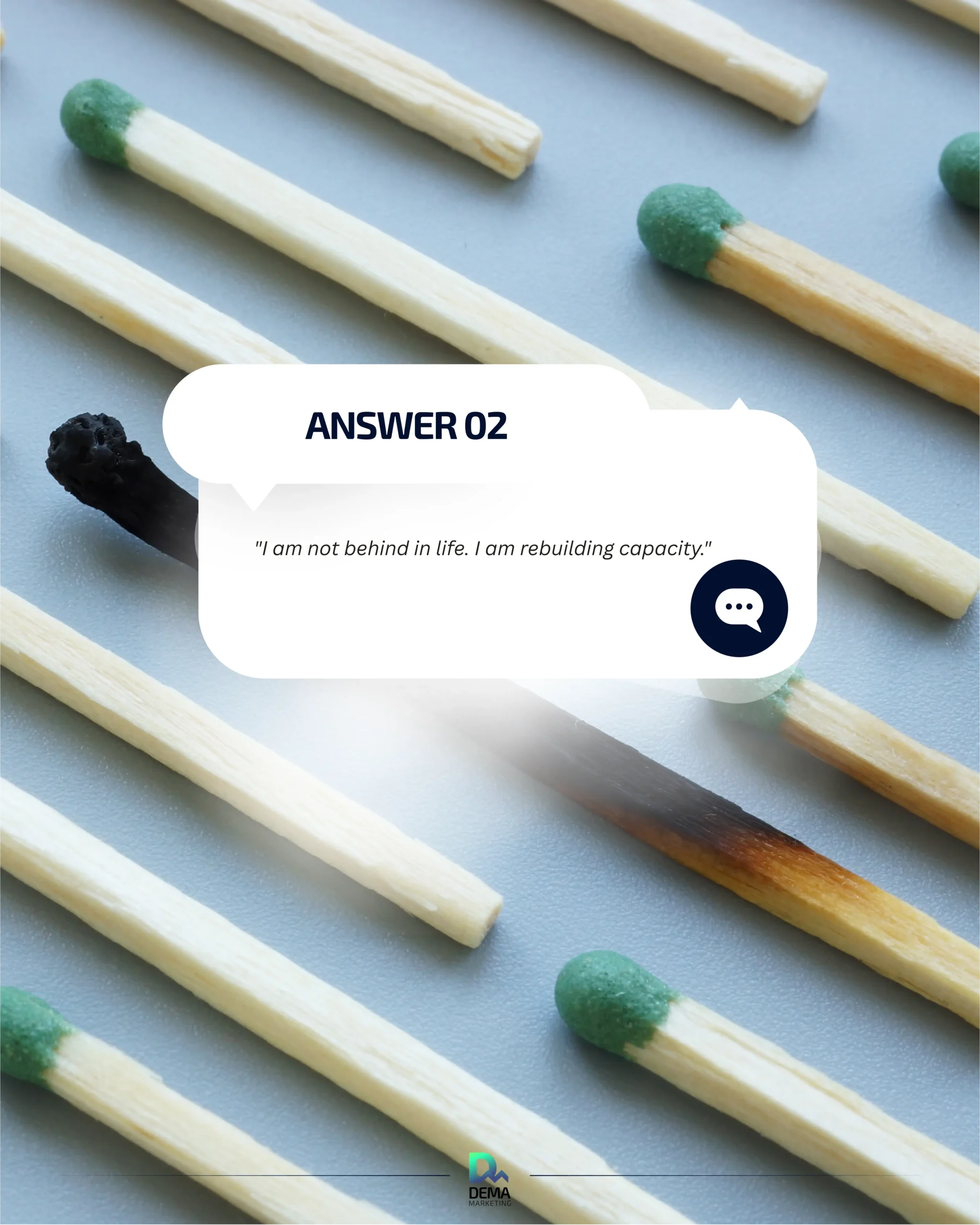
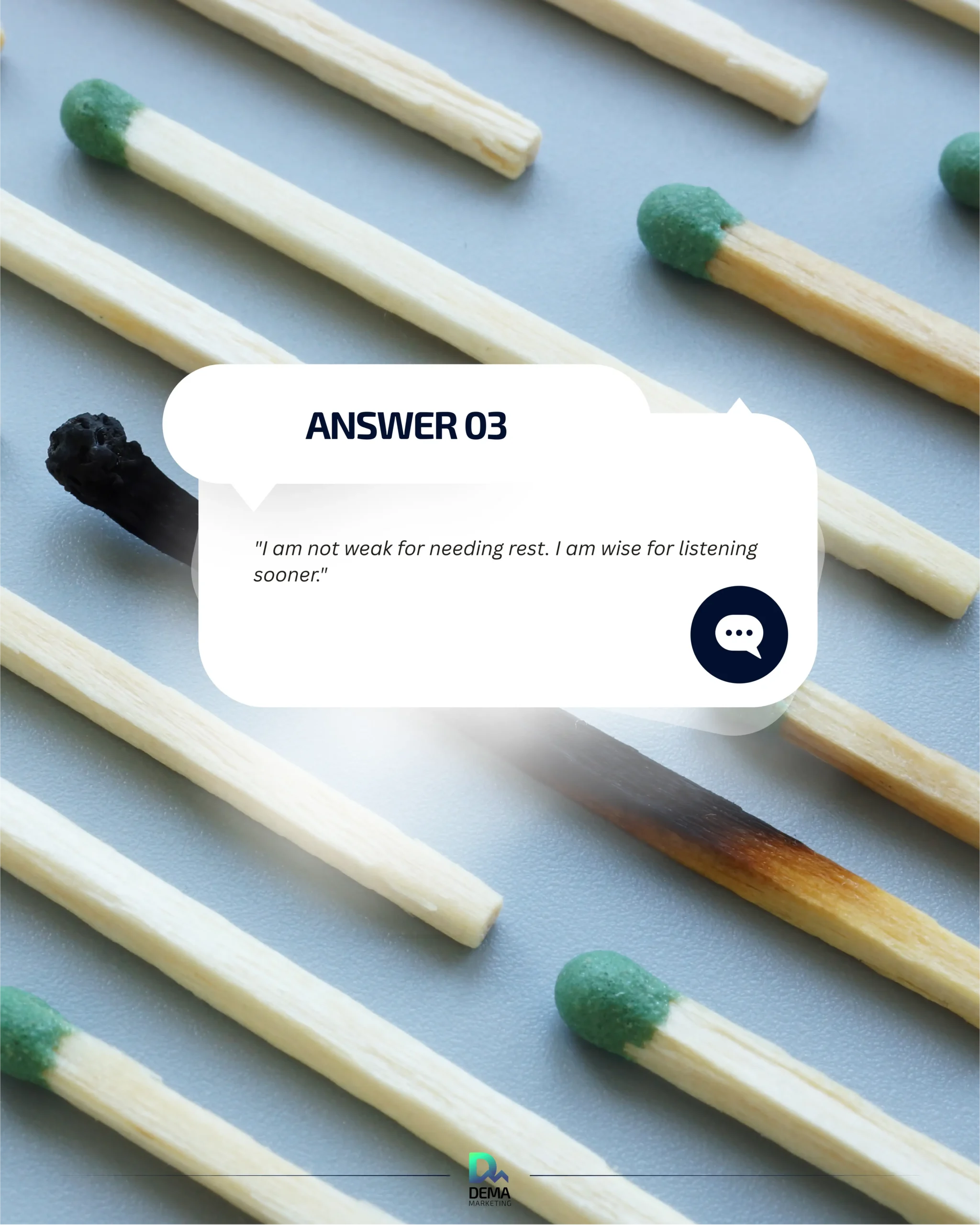
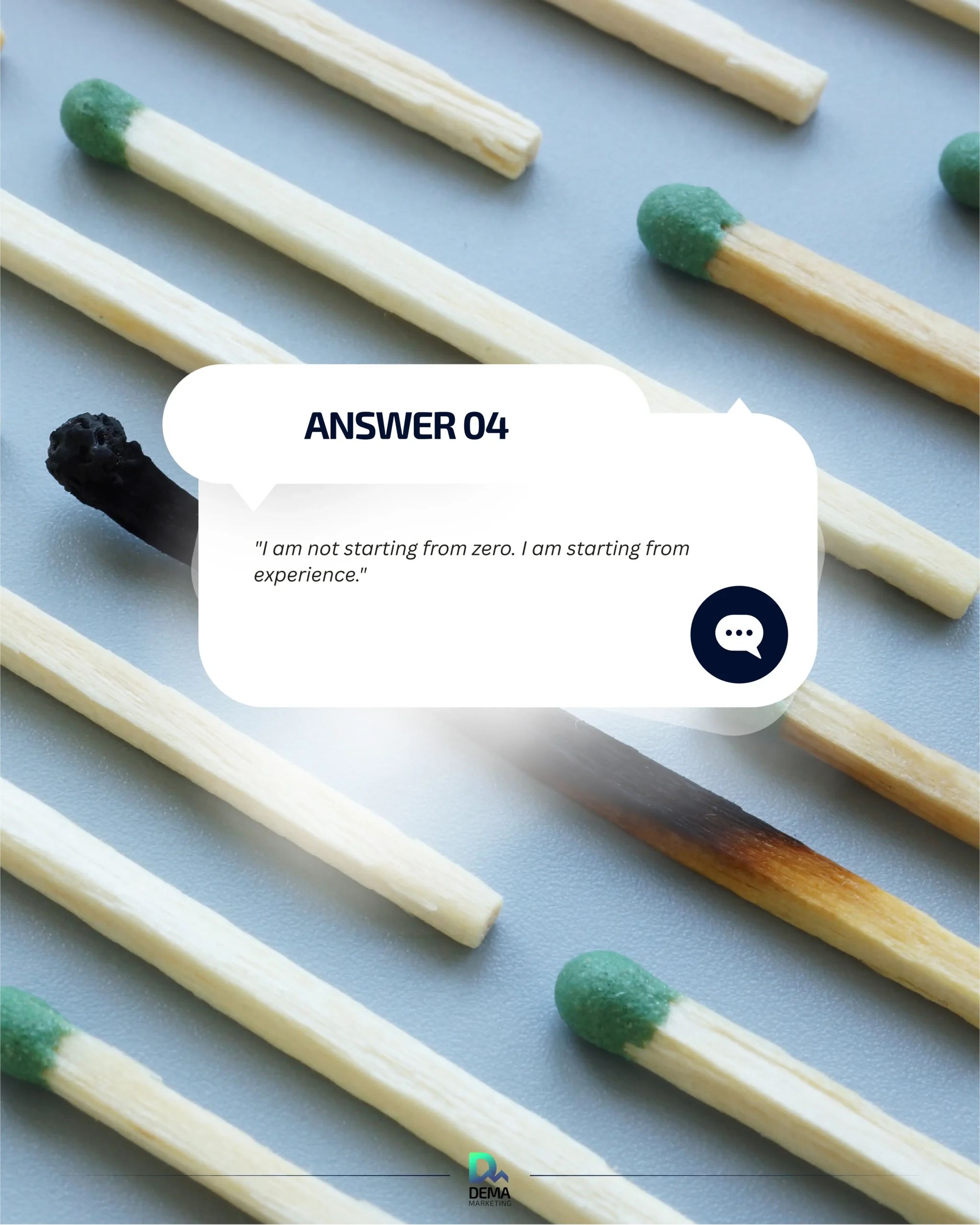
In addition, creative recovery gives you a new role in your own story. You are no longer only the exhausted worker, the overwhelmed parent, the caregiver, the achiever, or the person who has to hold everything together. Moreover, you become someone in repair. Someone experimenting, and also someone learning how to live with more honesty, energy, and space.
That new story may not arrive all at once. However, it may begin with one sentence, one boundary, one small act of play, or one quiet decision to stop treating exhaustion as a personal failure.

Image Source: Magnific
Conclusion
The best creative ways of beating severe burnout are rarely the flashiest. They are the ones that fit an exhausted nervous system: small enough to start, pleasurable enough to repeat, concrete enough to measure, and protected enough to survive real life. The evidence supports a cautious but hopeful view. It is real, common, and capable of causing substantial functional harm. It overlaps with depression and PTSD enough that serious assessment matters. And while creativity alone is not a cure, structured creative recovery can help restore reward, attention, agency, self-efficacy, embodiment, and meaning.
The most important limitation is also the most practical one: if the work environment remains chronically mismatched, individual creativity may provide relief without delivering durable recovery. That is why the most evidence-informed approach combines organizational change, workload honesty, clinical assessment where needed, and repeatable creative restoration. If any part of this outline is still unspecified, it is the exact threshold for “severe” burnout; current evidence does not provide a single internationally accepted cut point, so functional impairment remains the most clinically honest guide.
If burnout has made it harder to show up clearly, consistently, or creatively online, you do not have to rebuild everything alone. At DEMA Marketing, we help businesses create thoughtful digital strategies, websites, content, and SEO foundations that support long-term growth without adding unnecessary pressure. Start small, rebuild with intention, and let your digital presence work with you, not against you.
FAQ Related to Creative Ways of Beating Severe Burnout
What are some creative ways of beating severe burnout?
Creative ways of beating it include low-pressure activities that help you reconnect with curiosity, play, and a sense of control. For instance, this can include taking an Artist Date, trying tactile play with clay or natural objects, gamifying small tasks, learning about a random topic for 10 minutes, or rewriting the negative story burnout has created in your mind.
The goal is not to become more productive, but to feel human again.
Can creativity really help beating severe burnout?
Creativity can support recovery by giving your mind a break from pressure, performance, and constant demands. Simple creative activities can help restore pleasure, attention, self-expression, and a sense of agency.
However, creativity alone may not be enough for severe burnout. If your symptoms are seriously affecting your ability to function, you may also need rest, changes in your workload, support from others, or professional help.
When should burnout be treated like a clinical problem?
If symptoms include suicidal thinking, major inability to function, severe sleep disturbance, panic, flashbacks, substance misuse, or clear depressive collapse, seek formal assessment rather than treating it as a lifestyle issue.
What if I am too exhausted to do anything creative?
Start smaller. Two minutes of rearranging colors, kneading clay, listening to one new song or taking one photograph can count. In severe burnout, success depends more on friction reduction than on ambition.
References
- BURNOUT | English meaning – Cambridge Dictionary. (2026, June 24). Cambridge Dictionary. Retrieved June 30, 2026, from https://dictionary.cambridge.org/dictionary/english/burnout
- Cameron, J. (2002). The Artist’s Way: A Spiritual Path to Higher Creativity. J.P. Tarcher/Putnam. Retrieved June 30, 2026, from https://dn760107.eu.archive.org/0/items/the-artists-way-julia-cameron_202403/The_Artists_Way_Julia_Cameron.pdf
- Hanley, R. (2024, February 8). 5 Stages of Occupational Burnout: Assessing Where You Are. Psychology Today. Retrieved June 30, 2026, from https://www.psychologytoday.com/us/blog/everyday-resilience/202402/5-stages-of-occupational-burnout-assessing-where-you-are
- Todorova, P. (n.d.). How to Prevent Burnout: A Smarter Way to Scale. Business Talks. https://businesstalks.net/how-to-prevent-burnout-a-smarter-way-to-scale/